Carreira

Minha jornada até aqui

Contando sobre a minha carreira, o que venho construindo e como foi o processo pra chegar até aqui.

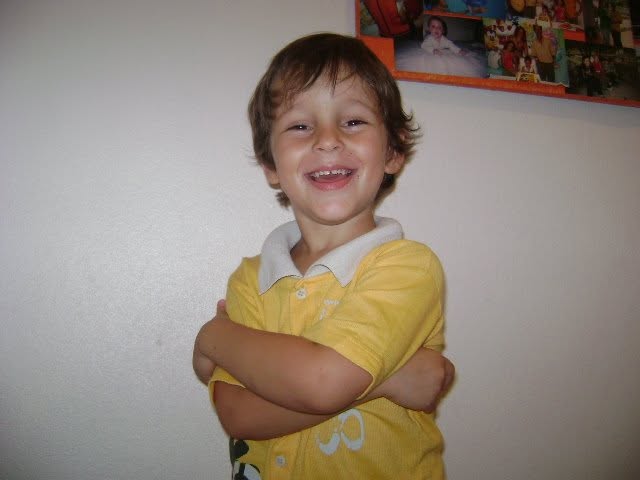
Iago criança, de camiseta amarela, sorrindo de braços cruzados
Iago Russi FerlaAutor
set 2026Publicado
28 minLeitura
Ler ↓8 temas
Tema 1 · até 2021

Quem sou eu

Infância e primeiro contato com computadores

Minha infância foi um tanto quanto engraçada: era uma mistura de jogar muito futebol e gostar muito de esportes, ao mesmo tempo em que eu era viciado em computador. Meu pai tinha um computador na fábrica onde trabalhava, e foi lá que tive meus primeiros contatos.

Lembro que usava pra jogar. No começo eram os jogos do Click Jogos, bem famoso aliás. Com o tempo passei para os jogos de emulador, coisa que vinha muito da minha irmã, e era bem legal.

Minha infância inteira foi um misto dessas coisas: praticamente sempre ligado aos esportes, mas com uma grande ponta na parte de computadores, e eu tinha uma boa facilidade com tudo isso.
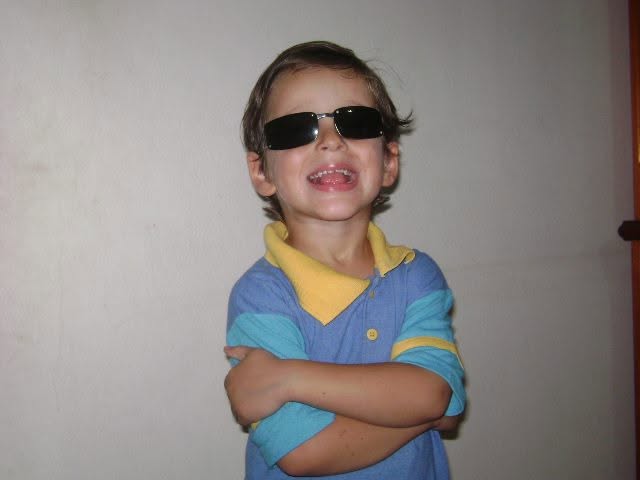
Iago criança, de óculos escuros e camiseta azul, de braços cruzados
Eu, na infância, com muito estilo.

Essa trajetória é mais focada no profissional, então não quero envolver muito a família, mas não posso deixar de citar a minha irmã, a Carolina Russi Ferla. Muito disso vem da influência dela: minha irmã era a nerdezinha que via anime o dia todo e vivia no computador, e foi ela que me influenciou muito.
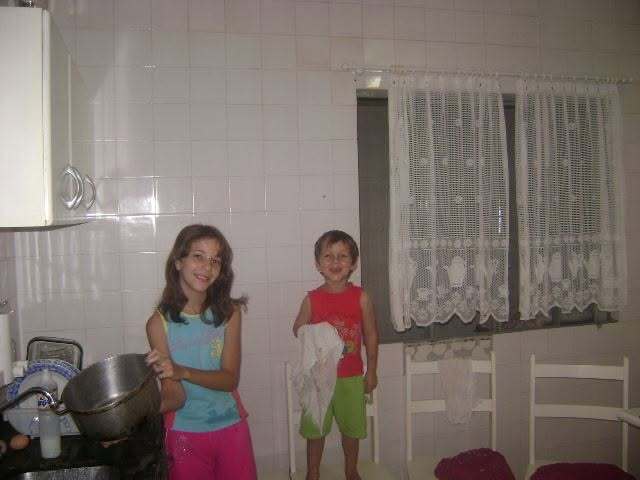
Iago e a irmã crianças na cozinha, ela na pia com uma panela e ele segurando um pano de prato
Eu e a Carol na cozinha, lavando louça.

Nessa foto vocês me veem secando a louça. Basicamente, minha mãe fazia eu secar e minha irmã lavar, mas eu não alcançava, então tinha que fazer um caminho de cadeiras pra conseguir secar. E sim, eu sei que é engraçado (kkkk).

Profissionalmente, minha irmã foi a pessoa que mais me incentivou, direta e indiretamente. Ela é uma pessoa bem única e muito focada, extremamente inteligente e disposta a fazer de tudo pra conseguir o que quer. Não é do tipo que fica ligando muito pra você, mas, incrivelmente, eu e ela temos uma relação muito boa.

Vale ressaltar que ela participou de todas as etapas da minha carreira, desde o meu primeiro emprego de verdade até o resto da minha trajetória, e tenho um carinho especial por ela.

O primeiro contato com programação

Me formei no ensino médio no CEDUP Hermann Hering, uma escola técnica com vários cursos, onde escolhi o de informática. Foi lá que tive meu primeiro contato com programação. E bem, eu odiava. Não conseguia entender absolutamente nada, e hoje sei que era muito pela fase: eu era um adolescente que não ligava pra muita coisa.
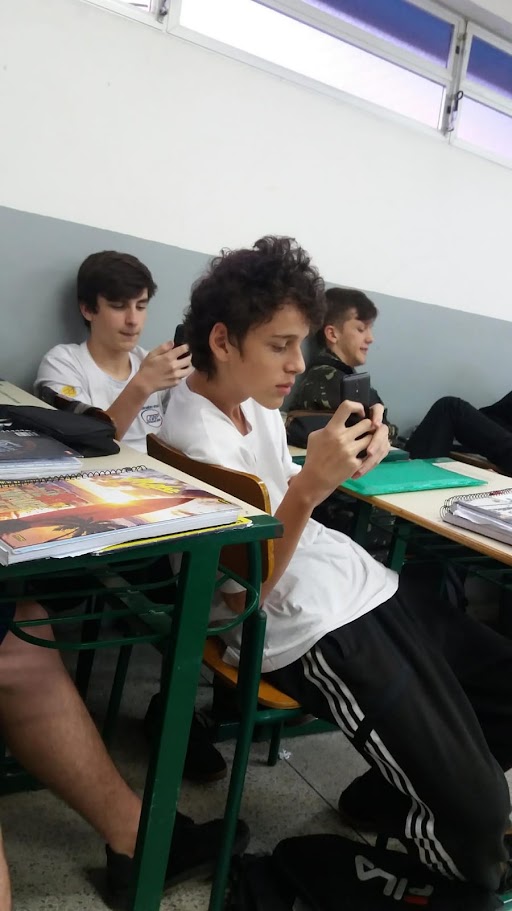
Iago adolescente na sala de aula, mexendo no celular entre colegas
Primeiro ano do ensino médio, no auge da puberdade e da escoliose.

Bem provavelmente perdi o boom da programação. No meu primeiro ano, um pouco antes da pandemia, o dev estava em alta: era aquela fase em que, se você soubesse fazer uma calculadora em Java, várias empresas te contratavam. Vi vários colegas já conseguindo trabalhar em empresas grandes. Eu nunca parei pra aprender muito, mas lembro disso ter ficado na minha cabeça. No segundo e no terceiro ano veio a pandemia.
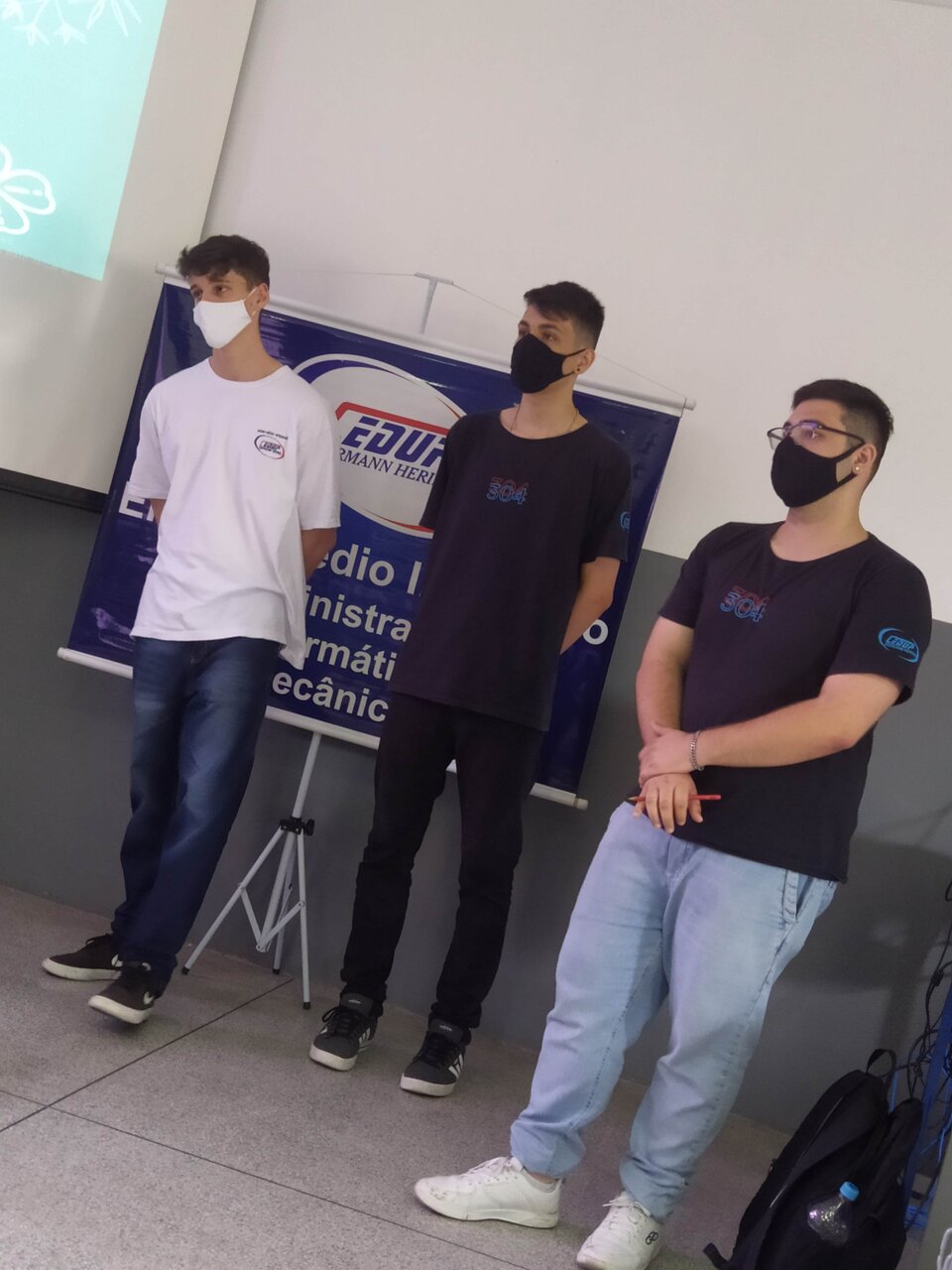
Três alunos de máscara em frente ao banner do CEDUP Hermann Hering, apresentando um trabalho
Meu grupo apresentando o TCC no fim do ensino médio, no CEDUP.

Primeiro trabalho

Se não contar os anos em que meu pai me colocava pra fazer etiqueta na fábrica, esse foi meu primeiro trabalho de verdade. Entrei como estagiário no SAMAE (o serviço de água e esgoto de Blumenau) no segundo ano do ensino médio, ainda durante a pandemia, que só foi acabar no meu terceiro ano.

Naquela época eu não sabia, mas usava um sistema de ERP, e logo peguei bem as coisas. Trabalhava no rádio, atendia os motoristas e fiscais e emitia as folhas de serviço deles. Aprendi bastante lá, principalmente a me comunicar melhor. Em pouco menos de 1 mês eu já conseguia atender sozinho e me virar, mesmo sendo estagiário.
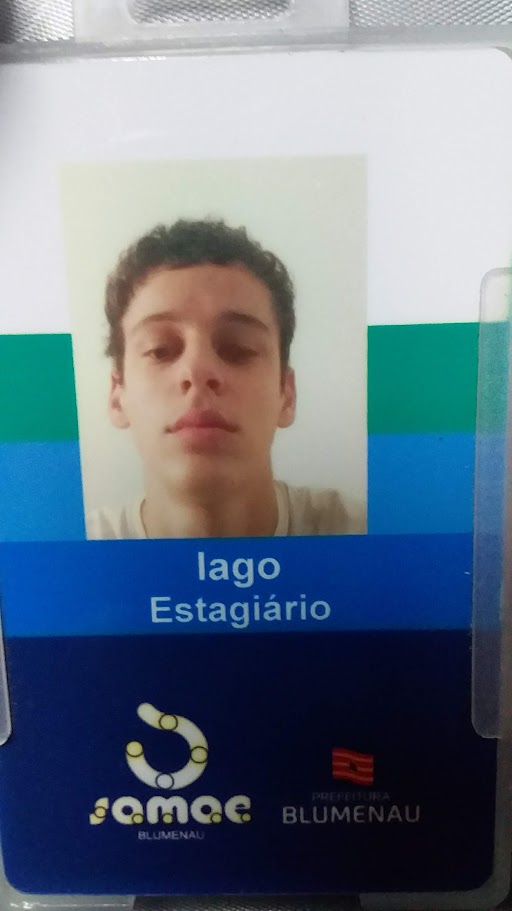
Crachá de estagiário do SAMAE Blumenau com a foto de Iago
Meu crachá de estagiário no SAMAE.

E agora?

No fim do ensino médio eu não fazia a mínima ideia do que fazer da vida. Sabia que queria fazer algo grande, e isso sempre me chamou atenção.

Lembro de ter me preparado pra um vestibular: estudei alguns meses e me empenhei bastante. Queria fazer medicina e acreditava que, estudando bastante, eu conseguiria. No fim as coisas não foram como o planejado, e acho que fui pra algo bem mais legal.

Tema 2 · 2021 — fev 2025

A edição

Como eu entrei

Foi então que abriu uma nova janela pra minha vida. Minha irmã começou a namorar o Bryan, um criador de conteúdo aqui de Blumenau, dono de um canal de true crime em ascensão, o Colecionador de Ossos (hoje Ossos Perdidos), e eles precisavam de um editor. Minha irmã me chamou e eu aceitei: eu sabia bem do potencial do YouTube e não queria perder aquela oportunidade.

Então lá fui eu aprender a editar. Nunca tinha mexido em nada de edição, no máximo editei vídeos pra trabalhos no ensino fundamental, e aprender foi bem legal. No começo era muito legal mesmo: fazia meio período presencial na casa do Bryan e logo fui pegando o jeito. O tempo foi passando e o canal foi crescendo. Nessa época morei um tempo sozinho em Blumenau e, depois, fui morar com a minha mãe em Barra Velha.
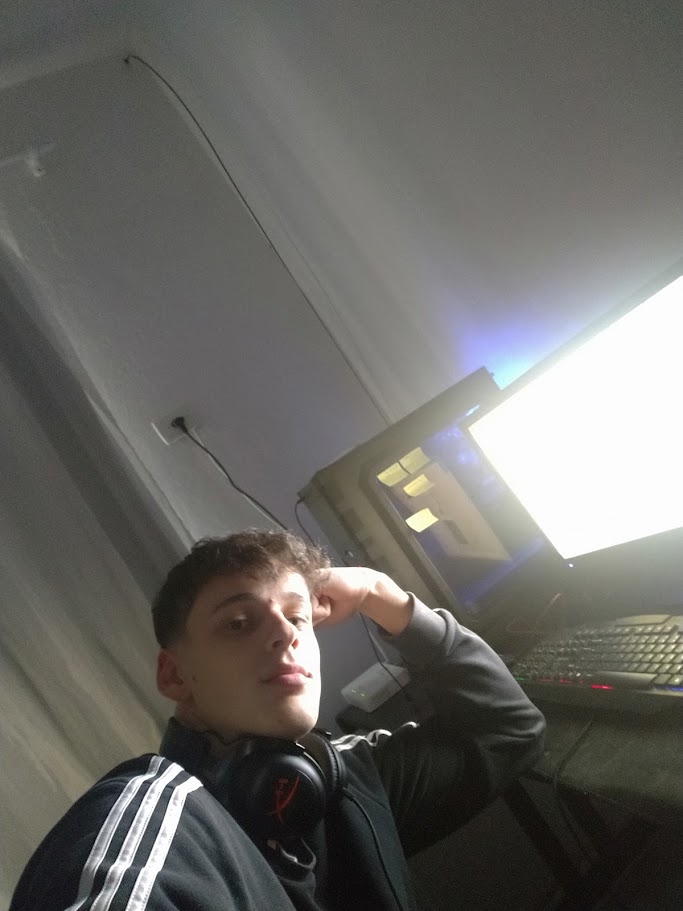
Iago de fone no pescoço, recostado diante do computador onde editava
No computador onde eu editava.

O trabalho em si

Por mais que no começo fosse legal, o trabalho logo ficou cansativo. Falo por todos os editores: a gente sofre muito. Edição de vídeo é a parte chata do processo criativo de um vídeo. São várias partes que se repetem demais, e geralmente é um processo lento e repetitivo, pelo menos a maior parte dele.

Muitas vezes eu vacilei. Pensava que era por eu ser irresponsável, e em grande parte era, mas muito era porque eu não gostava daquilo. Isso não me fez querer parar de aprender: por mais que eu não gostasse, eu dava muito valor praquilo. O problema é que eu oscilava muito. Mas no fim aprendi coisas que levo comigo até hoje.

O que eu aprendi

No começo eu fazia o processo dos vídeos inteiro pelo Premiere, sem nada de IA, então muita coisa eu aprendi na mão mesmo, principalmente decupagem e processos criativos.

O Bryan era bem perfeccionista, e acho que devo muito a ele. Foi uma das pessoas que me mostraram, profissionalmente, como dá pra fazer algo caprichado. Ele fazia um trabalho impecável; vale a pena dar uma olhada no canal dele, o Ossos Perdidos, a qualidade era incrível.

Perto do fim da minha jornada lá, comecei a aprender a fazer composições em 3D no After Effects, e isso realmente me chamava atenção. Tenho vídeos de algumas que eu fiz, e pra mim era demais. Sempre gostei de animação; acho que era a parte que eu mais gostava de fazer.

Trecho de uma animação no After Effects, toda composta à mão.
Mapas animados que eu fiz no After Effects. Abrir no YouTube ↗

A IA chegando

Quando eu comecei no canal, o GPT engatinhava. Logo depois, acho que no segundo ano, já estávamos usando o GPT, o ElevenLabs e algumas ferramentas de IA do pacote Adobe em quase todas as partes do processo de criação de vídeos, e era impressionante.

Acompanhei a evolução de perto: o Preenchimento Generativo do Photoshop foi evoluindo junto com a geração de imagens do GPT. Tínhamos um plano pago e ele mandava muito bem. Hoje nem se compara: testando o GPT-Image 2.5, o Seedream 5.0 e etc., você consegue ver onde estamos. Mas naquela época foi praticamente ver as coisas acontecendo de perto.

As coisas deixando de andar

No quarto ano, infelizmente, as coisas no canal já não andavam como o esperado, por questões da empresa e alguns problemas pessoais que prefiro não citar. Eu nunca tinha gostado muito de editar e já estava postergando muito, então decidi: queria trocar de profissão, mesmo sem saber ainda pra qual.

Tema 3 · fim de 2024 — set 2025

A troca de carreira

Procurando alternativas

No meio desse processo comecei a procurar várias frentes pra mudar de área. A primeira foi tentar abrir um canal no YouTube e fazer algum tipo de criação de conteúdo, eu e um amigo meu, o Thiago Jung Morais. Tentamos várias frentes: primeiro um canal de futebol, e esse processo inclusive foi muito engraçado.

Depois tentamos abrir uma loja de roupa. Tínhamos feito quase tudo: marca, vídeos pro TikTok e pro Instagram, que estão lá até hoje, no Instagram da Southside. Foi muito legal tudo isso.

O Thiago já era programador e, no meio do processo, como via que eu estava procurando trocar de área, me recomendou virar programador. Me incentivou a fazer o curso do Entra21 e, por sorte, as inscrições estavam abertas. Felizmente consegui ser aprovado. Isso foi no final de 2024, e o curso começaria em março de 2025. O curso era em Blumenau, então vim morar com a minha vó, que tem casa aqui, e minha mãe ficou em Barra Velha.

Uma decisão equivocada

Passei na turma de Java do Entra21, e foi muito empolgante pra mim. Acho que sou o tipo de pessoa que vive intensamente, já me falaram isso (kkkk). Pode ser isso, ou pode ser só que eu não penso muito quando estou empolgado.

Sei que, logo no começo do curso, pedi demissão do meu trabalho. Me arrependo bastante disso, porque o que veio depois foi bem frustrante, mas pelo menos me deu mais tempo pra estudar.

O Entra21

Agora começaria meu primeiro contato com programação por vontade própria mesmo. Lembro que eu queria me empenhar muito: claro que tinha a pressão de trocar de carreira, mas eu realmente queria ser bom naquilo. Estudei intensamente, ficava sempre uns 4 assuntos na frente da turma e fazia todos os desafios.

Tive um professor muito bom, o Henrique Delegrego, que sempre me passou desafios e me acompanhou de perto. Foi muito legal estar na turma dele, e aprendi muito com ele. Quando você entra pra estudar programação, parece um universo repleto de coisas pra aprender em que você se perde. Ele me manteve firme e, com confiança e empenho, consegui ir bem longe.

Eu não sabia absolutamente nada quando entrei e saí com uma base bem sólida. Cheguei a usar Spring Boot com Java e já conseguia fazer alguns projetos tranquilamente. Naquela época ainda tinha um leve preconceito com IA e acreditava que precisava fazer tudo na mão, o que me rendeu horas estudando e fazendo exercícios.

O Themyra

Foi no Entra21 que conheci o Tarliomar Silva e o Gustavo Zarth Perotto, e formamos nosso grupo pro TCC: o Tarliomar, o Gustavo, eu, o Joel e o Jadison. Decidimos fazer o Themyra, uma ferramenta que analisa se um site é seguro: ele passa por uma pipeline de scripts de web scraping e por uma análise de IA com modelos gratuitos do OpenRouter. O vídeo logo abaixo mostra direitinho como funciona.

Eu já estava bem avançado no backend. O problema é que, num grupo de 5 pessoas, adivinha: ninguém queria fazer o frontend. Então peguei essa frente. Ia ajudar no backend, mas fiz o frontend inteiro do projeto na mão.

E a todo mundo que trabalha com frontend: parabéns, é muito difícil aprender isso. Digo porque aprendi do zero também, e foi incrivelmente difícil (kkkk).

Tenho orgulho de dizer que fizemos esse projeto praticamente todo na mão, com muito pouco auxílio de IA, e aquilo trouxe muita experiência pra nós.

O Themyra, nosso projeto final do Entra21. Abrir no YouTube ↗
Tema 4 · set — dez 2025

A grande frustração

Sem vaga

E agora vem, acho, o período mais frustrante da minha jornada. Lembra que falei que pedi demissão antes de terminar o curso? Eu tinha uma reserva de dinheiro, mas ela não durou o curso inteiro: na metade, comecei a trabalhar pra me manter. E acreditava que, quando o curso terminasse, já ia arrumar algum trabalho na área.

Não foi bem assim. Depois da apresentação do TCC eu não conseguia absolutamente nenhuma vaga. Fiz várias entrevistas e nada. Eu precisava de dinheiro pra me manter, e foi aí que precisei arrumar qualquer emprego que estivesse na minha frente.

Eu na formatura do Entra21.

O posto telefônico

Trabalhei em dois lugares bem difíceis, digamos assim. Primeiro num posto telefônico, uma espécie de lan house que vendia de tudo, dentro da Cooper, uma rede de supermercados daqui. Acho que ganhava menos que um estagiário, numa escala 6x1. Ali eu fazia de tudo, desde encapar caderno até vender cigarro. Foi onde mais trabalhei na minha vida (kkkk), e ali aprendi a dar valor às coisas.

Entrei ali na metade do Entra21 e fiquei até o fim do curso, e foi bem difícil: estudava de manhã e trabalhava à tarde, e sobrava um pouco do fim de semana pra descansar. Lembro que sempre pensava que precisava estudar pra sair dali, e foi isso que fiz. Continuei estudando muito e procurando vagas, mas infelizmente não achava nada.

O mercado

Depois do posto telefônico trabalhei no supermercado Komprão, em Barra Velha, porque, quando o curso terminou, voltei a morar com a minha mãe lá. Mais um trabalho bem difícil: eu ficava no caixa das 14h às 22h. O bom é que ali eu só trabalhava no fim de semana, mas era bem chato também.

Nesses trabalhos eu até me divertia e me empenhava bastante, mas sempre pensava em como queria estar na programação. Ainda mais vendo meus amigos trabalhando com isso, e minha irmã, que nesse tempo também trabalhava com programação. Parecia outra realidade.

A faculdade online

No finalzinho do ano eu não conseguia vaga em lugar nenhum e tentei mudar de estratégia. Até então eu sempre buscava vaga como dev. Decidi começar uma faculdade online, Análise e Desenvolvimento de Sistemas na Gran, porque não tinha dinheiro pra pagar uma presencial, e tentar vagas de estagiário. Hoje faço Engenharia de Software, também na Gran e também online.

Por incrível que pareça, deu certo. Consegui algumas entrevistas, e uma delas foi na Dati, aqui em Blumenau. Voltei a morar com a minha vó.

Tema 5 · jan — mar 2026

Uma nova perspectiva

O portfólio

A Dati é uma consultoria parceira da AWS (a nuvem da Amazon) e IA first, ou seja, uma empresa que usa muita IA e incentiva todo mundo a usar. Foi lá que tive minha primeira oportunidade. Primeiro veio a entrevista, e lembro de ter me empenhado muito: depois de tudo que eu tinha passado, não podia deixar essa escapar.

Antes da entrevista, que foi marcada com os líderes, pesquisei o perfil de cada um e fui ver o que eles faziam. A única informação que eu tinha é que eles usavam Python e um tal de Bedrock (o serviço da AWS pra usar modelos de IA). Me perdoem, mas eu nunca tinha visto AWS na vida naquela época. Mesmo assim, foi o suficiente pra eu montar um portfólio com 3 projetos em Python e AWS.

Uma semana antes da entrevista mandei o portfólio pra todos eles, e a resposta foi bem legal: todos gostaram do meu esforço e me elogiaram.

A entrevista

Enfim chegou o dia da entrevista. Me preparei e fui, e era outro mundo. A Dati fica no 5º andar do prédio da AmbevTech, aqui em Blumenau, e nem preciso falar que tudo me deslumbrava.

A entrevista foi até bem tranquila. Eles me contextualizaram sobre a empresa e falaram das certificações que tinha lá, o que logo me chamou atenção. Depois me mostraram a empresa, e o sorriso não saía da minha cara. De onde eu tinha saído, nada se comparava com aquilo.

Naquele dia prometi pra mim mesmo que não perderia aquela oportunidade e que, se conseguisse, ia me esforçar ao máximo.

O primeiro dia

E deu tudo certo. Um dia depois da entrevista já tinham me chamado, e entrei como estagiário no time de Solutions, que era formado por Labs, IA e Dados. Eu fazia parte do Labs, um time focado em criar e testar coisas novas ao mesmo tempo em que tocava projetos internos. Meu primeiro dia foi bem legal: fiz onboarding com muita gente, e tive como padrinho (a pessoa que acompanha o estagiário nos primeiros meses) uma das pessoas mais queridas, que considero um amigo de verdade, o Juan Felipe Voltolini. A gente costumava chamar ele pelo nome inteiro, porque o cara era bom (kkkk).
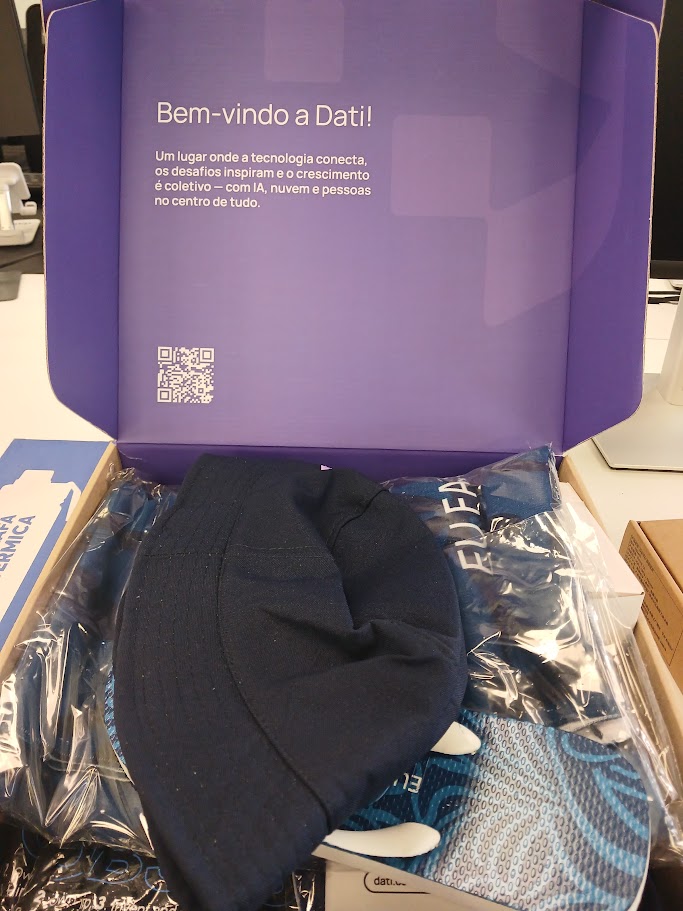
Kit de boas-vindas da Dati aberto, com a mensagem "Bem-vindo à Dati!" na tampa
O kit de boas-vindas do meu primeiro dia.

Os primeiros dias e semanas foram muito legais, conheci muita gente. Uma das pessoas que mais me ajudou, e que hoje também é meu amigo pra sair e pra conversar, foi o Josimar Zimermann. Eu vivia chamando ele, porque não sabia fazer nada naquela época.

O Josimar é uma das pessoas mais incríveis que já conheci. Não importava a pergunta, ele ia te ajudar. Com toda certeza era o dev mais experiente da empresa, e ele não só te ajudava: parava o que estava fazendo, te explicava e até desenhava, se precisasse. Foi um grande exemplo pra mim.

Teve um episódio que foi muito engraçado. Já na quingentésima vez que eu chamava ele, a conversa foi assim:

— Josimar, tá ocupado?

Ele tira o fone e pausa a música.

— Não, não, só tô trabalhando!

Não sei se isso é tão engraçado escrito, mas eu ri demais quando ele falou. Enfim, tenho muita saudade desse período. Tenho bem mais coisas pra contar da Dati, mas esse começo eu guardo com carinho.

A busca pelas certificações

A Dati usava muito o Kiro CLI, a ferramenta da AWS que leva a IA para o terminal: é o harness, o programa em volta do modelo, que deixa você conversar com ele e dá a ele acesso ao seu projeto para ler e escrever código, e ali tive muito contato com IA. Depois de aprender bastante com o Josimar e com meus colegas, eu já conseguia fazer as coisas com certa autonomia.

Na Dati havia as certificações, e o processo era bem legal. Existem 12 certificações AWS, em vários níveis; o primeiro são as fundamentais, AI Practitioner e Cloud Practitioner. Eles não botavam pressão pra tirar, mas você ganhava reconhecimento e uma remuneração a mais. Do jeito que eu era, não demorou pra botar um objetivo na cabeça: tirar todas elas (kkkkk). Sim, eu queria tirar as 12, sem nunca ter visto AWS na vida.

Acho que foi uma das coisas mais legais que decidi fazer. Comecei a estudar no primeiro mês e, por incrível que pareça, tirei a primeira certificação em 1 mês, o Cloud Practitioner, em 21/02/2026. Até então, só um estagiário tinha tirado uma certificação, e não em 1 mês. O reconhecimento foi muito legal, o gostinho de querer mais ficou, e no segundo mês eu tirei mais uma (kkkkkkk): o AI Practitioner, em 08/03/2026, que me deu a base de como a IA e os LLMs funcionam por trás.

O processo de estudar foi muito legal. Meu horário ia até as 15h, então eu ficava até as 18h e chamava todo mundo no Slack pra estudar junto. Bem, ninguém ia (kkkk), mas assim era bom, porque me obrigava a estudar de forma contínua e sólida. Foi assim que virei o primeiro estagiário a tirar uma certificação em 1 mês, e o primeiro a tirar duas.

Os estagiários

Eu fui o primeiro estagiário daquela leva que a Dati ia contratar naquele ano. Logo foram vindo mais, principalmente pro meu time, e quando eles entraram eu achava todos esquisitos (kkkk). Mas logo nos tornamos muito amigos, e hoje são meus melhores amigos. Eu, o Leonardo Prado Suzin e o Matheus de Paula Ribeiro tivemos uma jornada muito legal e aprendemos muito, mas muito mesmo, juntos.
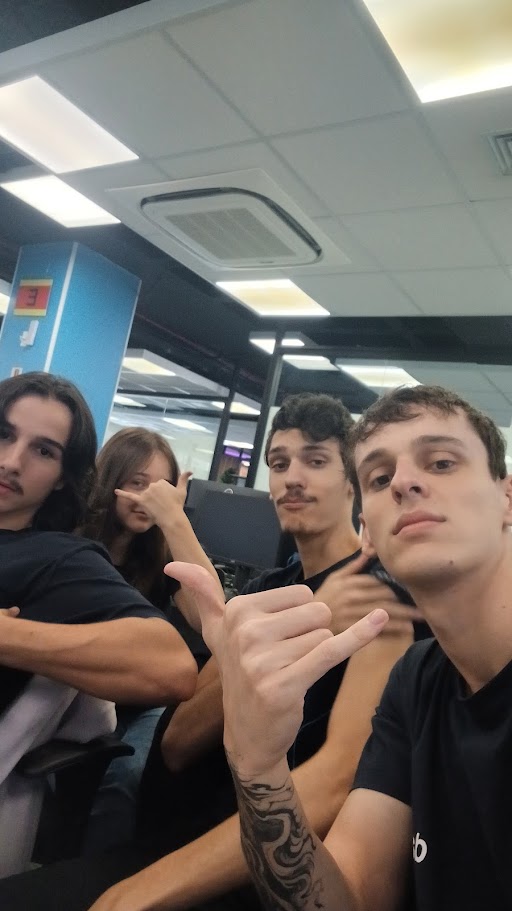
Selfie de Iago com os outros estagiários no escritório da Dati
Eu e os estags da Dati.

Vale ressaltar que, nesse meio-tempo, virei seguidor dos usuários de Linux. Aprendi a usar por curiosidade e, meu Deus, era muito bom: ampliava muito o desempenho do PC e tudo era mais rápido. Ressalto isso porque, depois que os estagiários entraram, fiz todos eles instalarem (kkkk).

Depois disso fizemos muitos projetos juntos. Das 15h às 18h, quando geralmente eu ficava sozinho, agora eu tinha companhia pra estudar: geralmente éramos eu, o Matheus, a Yasmin e o Léo. Estudávamos juntos e nos divertíamos. Foi um período muito legal, e tenho muita saudade de tudo isso.

Tema 6 · mar — jul 2026

Criando no Labs

O Multi-Agents Framework

Além das certificações, na Dati fiz muitos projetos por conta própria: eles davam muita liberdade pra criarmos coisas e usarmos nossa conta de POC na AWS. Fiz questão de criar muita coisa, e uma delas foi o Multi-Agents Framework, lá pelo meu terceiro mês.

A ideia era simples. A gente usava muito o Kiro CLI, e no Linux eu usava um Arch Linux com Hyprland, um gerenciador de janelas. Pra quem conhece, é simples abrir uns 10 terminais na tela e usar os 10 tranquilamente, e eu fazia isso direto: ficava com uns 4 terminais tocando várias frentes com o Kiro CLI, maximizando minha eficiência. Logo percebi: e se todos esses agents que eu liguei conversassem entre si?

Daí surgiu a ideia do Multi-Agent: muitos agents (IAs que recebem uma tarefa e executam sozinhas, lendo e escrevendo código), cada um definido para uma frente (frontend, backend, review, monitoramento etc.), conversando e trabalhando sozinhos. Exatamente o conceito de subagents que temos hoje, mas naquela época ainda não havia nada disso. Estava engatinhando; claro que já se falava sobre isso, mas a Anthropic (a empresa que faz o Claude) e as grandes empresas ainda não tinham lançado.

Foi um baita projeto, e lembro de ter apresentado na Dati num STT, o Solutions Tech Talk: toda quinta alguém do time fazia uma apresentação pra falar de algo. Deixei meu padrinho orgulhoso (kkkk): o Juan tinha gostado bastante desse projeto e me incentivou a apresentar. Foi uma experiência muito bacana.

Foi com esse projeto que conheci o Dyego Maas. O Maas trabalhava na Dati como terceirizado, fazendo automações, e já tinha a própria consultoria, onde acelerava times a desenvolver com IA. Foi ele que me deu várias dicas pro Multi-Agents Framework, inclusive a arquitetura de waves: os agents trabalham em ondas pra conseguir trabalhar em paralelo, algo como onda 1 com frontend, frontend e backend, e onda 2 com backend, backend e backend.

Ele também me mostrou alguns projetos que tinha no PC, e, cara, era algo de outro mundo. Nada que eu conseguiria fazer com meu Kiro com Opus 4.6 naquela época (kkkkk).

Além desse, criei vários outros projetos. Infelizmente eles ficaram no meu repositório antigo da empresa, ao qual não tenho mais acesso. E sim, o gênio aqui não pegou as coisas quando saiu da empresa.

O hackathon

No meio dessa onda de projetos e certificações surgiu um hackathon focado em IA, o AI Hackathon. Meu grupo era, da esquerda pra direita na foto: eu, a Yasmin, o Léo, a Camilla Maia, o Matheus e a nossa orientadora. Falo mais sobre ele neste post, explicando tudo. Foi uma experiência incrível: um pouco frustrante, mas com certeza me trouxe uma nova perspectiva.
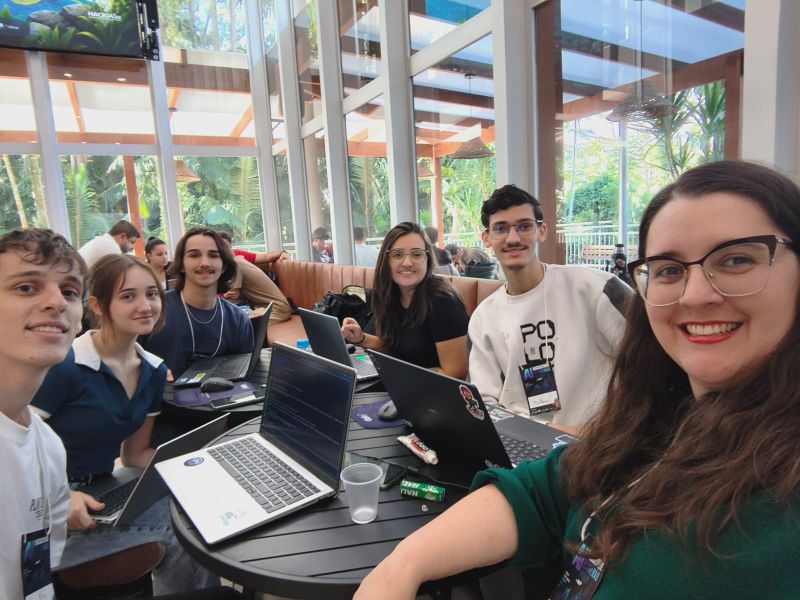
Selfie do grupo com notebooks abertos numa mesa, durante o hackathon
Meu grupo no hackathon.
LinkMeu post no LinkedIn sobre o hackathon ↗

O Palladino e as skills

Aqui entra um personagem muito importante na história: o Marcelo Palladino. Até hoje não me canso de falar que ele foi o maior profissional que já conheci, e o próprio perfil dele fala por si só. Ele entrou na Dati no time de Labs, que era onde eu atuava naquela época, e foi uma baita contratação: todo mundo do contexto de AWS conhece o "Palla", como eu chamava.

Nessa altura já deu pra perceber que eu sou bem intenso. Quando o Palla chegou, fiz questão de falar com ele e, como sempre fui meio empolgado demais, a primeira conversa foi algo assim:

— Opa, Palla, precisava da tua ajuda, cara. Queria tentar usar meus agents melhor, porque os resultados às vezes não vêm como eu quero… blá-blá-blá.

Ele se levanta, respira, olha pra mim:

— Bom dia.

KKKKKKKKKK, cara, isso foi bem engraçado. Eu falando um monte, meio nervoso, nem cumprimentei ele direito. E o jeito do Palla era assim: calmo, sereno, sempre atencioso. O tipo de pessoa que você sabe que te escuta, e percebe que ele pensa em cada detalhe do que você fala.

Depois dessa conversa, cujo tema era basicamente como usar IA melhor, fomos a um quadro da empresa e ele literalmente desenhou pra mim alguns conceitos de engenharia de contexto (como escolher o que a IA precisa saber pra fazer bem uma tarefa) que nem passavam pela minha cabeça. Aí ele me apresentou as skills do Matt Pocock, um dev bem conhecido que publica instruções prontas pra IA. Uma skill é isso: um conjunto de instruções que ensina a IA a trabalhar de um jeito. Essas skills hoje são muito relevantes, e o Matt já se consolidou nessa era de IA; naquela época ele tinha acabado de postar a primeira leva, com o /grill-me, em que a IA te enche de perguntas até o seu plano ficar claro.

Claro que depois disso fui atrás de pesquisar, entender e usar tudo, e logo me surpreendi: as skills do Matt são muito boas mesmo. Ajudam muito a usar IA de forma eficiente e deixam qualquer workflow melhor. Fiquei tão empolgado que quis apresentar: peguei mais um STT pra falar sobre o /grill-me, montei a apresentação por semanas, treinei bastante e me preparei.

A efetivação

Nesse meio-tempo, fui efetivado. Um reconhecimento muito legal de tudo que eu vinha fazendo, e fiquei muito grato.
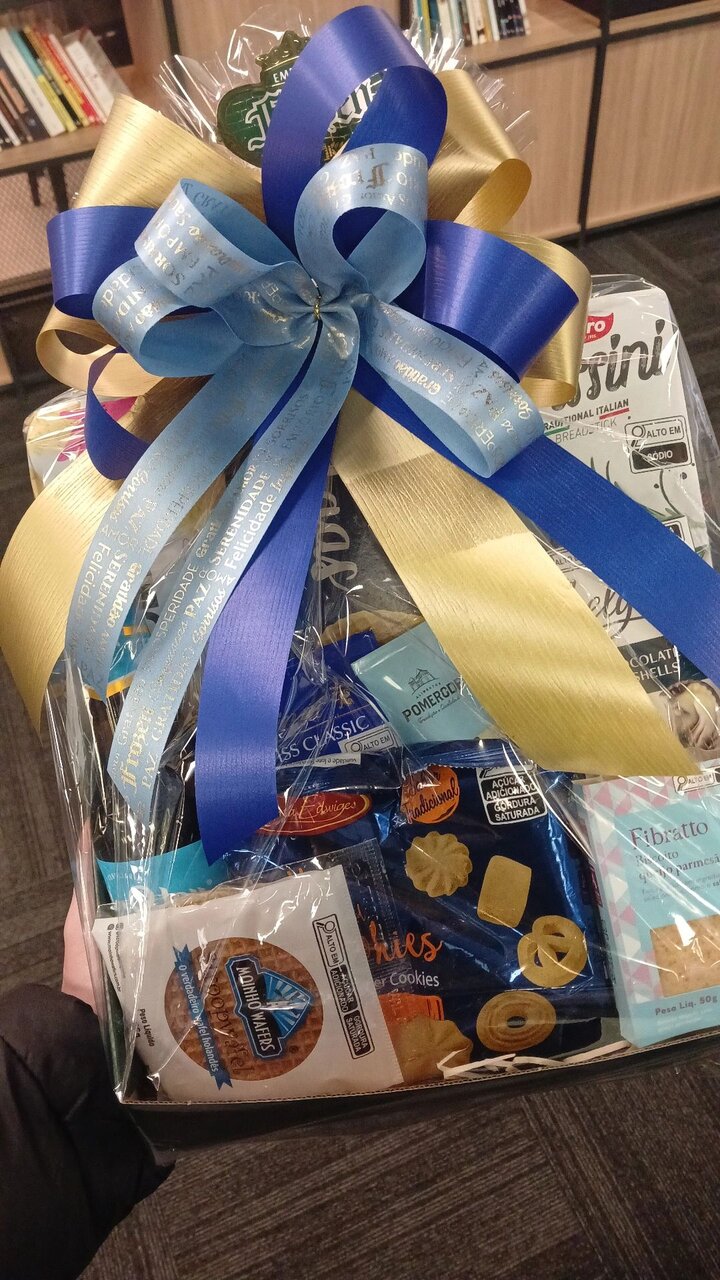
Cesta de presentes com laço azul e dourado, recebida na efetivação
O presente que recebi na efetivação.
LinkMeu post no LinkedIn sobre a efetivação ↗

Agora eu trabalhava mais horas. Como estagiário eu ficava das 15h às 18h estudando, e queria continuar estudando depois de efetivado: não gostava de pensar que só estudava porque tinha mais tempo livre que os outros. Então eu ficava das 18h às 19h estudando, às vezes até as 22h.

Apresentando

Apresentei o /grill-me primeiro internamente, de forma remota, digamos assim: eu apresentava pelo meu notebook e as pessoas estavam em videochamada. Foi muito legal, tive feedbacks muito positivos e me senti confiante pra começar a expressar isso. Vi que eu gostava de falar, de compartilhar as coisas a que dou valor, de ver a reação das pessoas e trazer insights pra elas.

Foi assim que tive a grande oportunidade de apresentar a mesma coisa pro pessoal da Tex Cotton, uma empresa que estava se relacionando com a Dati na época. Só que essa apresentação era diferente: presencial, pra mais de 50 pessoas. Eu não podia deixar de me preparar.
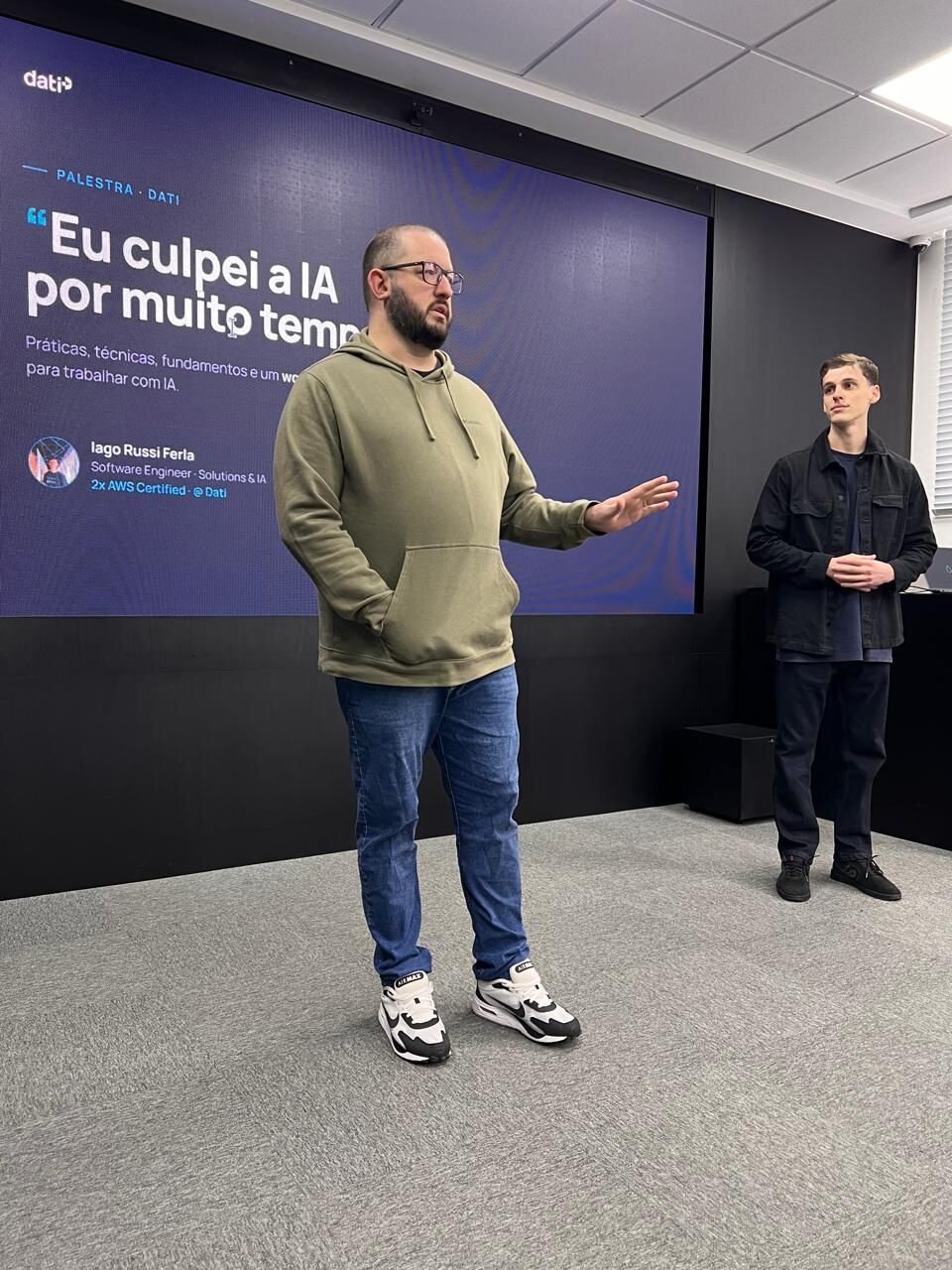
Palestra na Dati com o slide "Eu culpei a IA por muito tempo", com Iago de pé à direita
A apresentação pro pessoal da Tex Cotton: "Eu culpei a IA por muito tempo".

E me preparei muito. Chamei um professor de oratória e treinei por semanas pra aprender a me comportar, gesticular e falar bem. Também contei com uma pessoa muito importante, a Camila Cenci, diretora de novos negócios da Dati. A Camila apresenta muitos eventos e tem, de longe, muita experiência e qualidade nisso. Chamei ela numa sala, apresentei pra ela me dar alguns pontos e, no fim, ela falou:

— Tá muito boa a apresentação. Tenta ficar confortável lá, fazer perguntas, interagir com o público e, por último… arruma esse cabelo!

KKKKKKKK, nessa hora eu ri demais. Foi mais um conto divertido. E na apresentação eu mandei bem demais: estava muito nervoso, mas tinha treinado muito e fiz tudo que a Camila disse. Num certo momento fiquei bem confortável, fiz algumas perguntas pro público e fluiu bastante. Depois tivemos uma conversa com os devs da Tex Cotton, e em geral foi tudo muito divertido.

LinkMeu post no LinkedIn sobre a apresentação ↗

A Esteira Lovable

Aqui entra um dos maiores projetos que fiz para a Dati: a Esteira Lovable. Basicamente, um projeto que pega um repositório que veio do Lovable (uma plataforma que gera apps a partir de texto, com IA) e o transforma num repositório totalmente hospedado na AWS.

Foi um projeto muito legal, mas pegou num momento difícil pra mim. Estava acontecendo um milhão de coisas na minha cabeça, eu tinha acabado de ser efetivado no time de IA, e o projeto era do time de Labs. Nas primeiras semanas, eu me perdi bastante.

Quem tocava comigo ainda era o Palla. Tomei algumas chamadas de atenção, mas, como eu disse, nas mãos do melhor profissional que já conheci isso não era grande problema. Ele me deixou calmo, disse pra eu não ter medo e continuar trabalhando, fazendo da forma certa dessa vez. Consegui retomar o projeto.

No fim, entregamos, e o projeto ficou muito bom. O que ficou pra mim foi o aprendizado. Foi uma grande virada de chave na minha vida: eu ficava pensando em como poderia ter feito melhor se tivesse mais conhecimento, mais tempo, se tivesse me empenhado mais.

Tema 7 · jul — ago 2026

Hora de arriscar

TDC Floripa

Junto com o projeto da esteira, depois de ser efetivado, a Dati me mandou pro TDC Floripa, o The Developer’s Conference, um dos maiores eventos de desenvolvimento do Brasil. Foi o meu primeiro evento de tecnologia. Postei bastante sobre ele, e conto tudo nesta postagem.
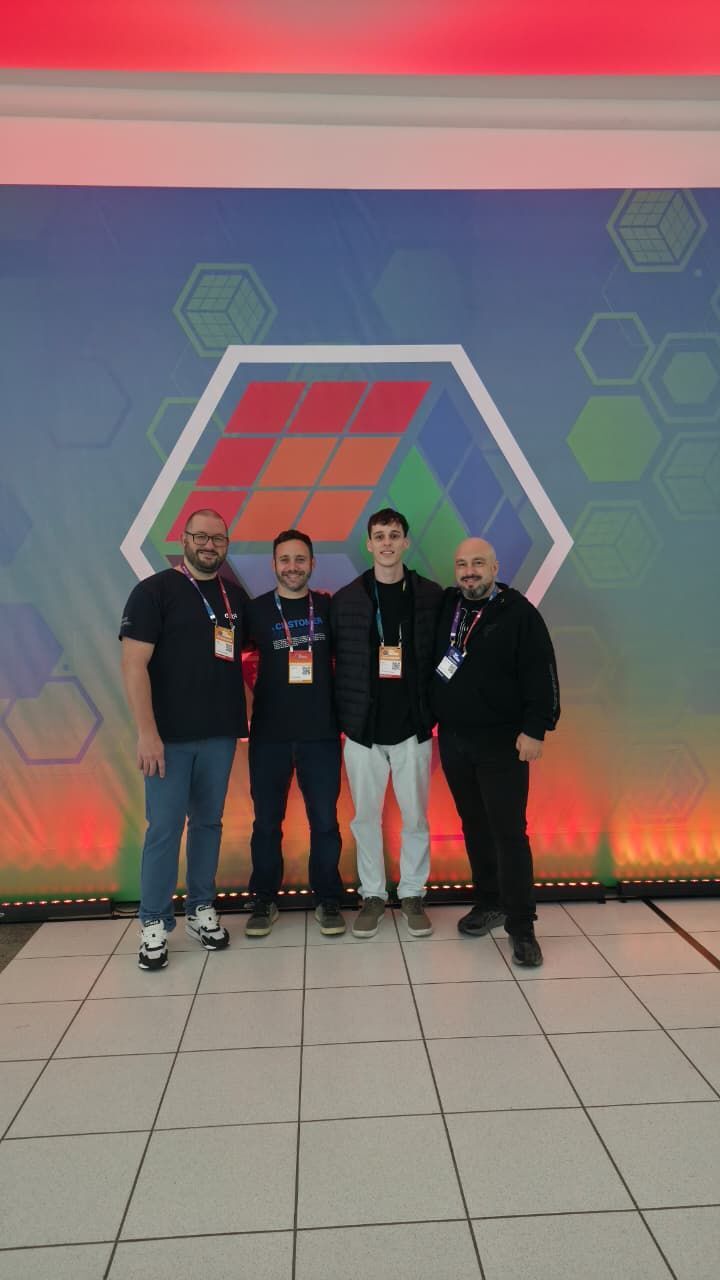
Iago com mais três pessoas em frente ao painel colorido do TDC Floripa
No TDC Floripa.
LinkMeu post no LinkedIn sobre o TDC Floripa ↗

O reencontro

Foi lá que reencontrei o Dyego Maas.

Ele tinha parado de prestar serviço pra Dati pra focar na consultoria, que tinha crescido bastante e precisava de alguém pra ajudar em várias frentes. Daí surgiu uma parceria: combinamos de eu trabalhar pra ele como freelancer, o que seria ótimo pra eu aprender, e eu estava muito empolgado.

A ideia e o projeto do Maas eram geniais, e ele é uma das pessoas mais geniais usando IA que já conheci.

Dois trabalhos ao mesmo tempo

Aqui foi, provavelmente, o período em que eu quase tive um burnout, mas também fiz coisas incríveis. Eu nem tinha começado nada direito com o Maas e ainda estava na Dati, mas, pra mostrar valor pro Maas, decidi que depois do trabalho eu ia criar coisas e mostrar pra ele.

Criei coisas incríveis. Uma delas foi fazer um modelo de geração de imagem chegar exatamente no estilo de arte do Valorant. Também consegui fazer animações com HyperFrames, e os resultados ficaram muito bons.

O modelo de imagem chegando no estilo de arte do Valorant, passo a passo (2 min, com som).
Uma das animações que fiz com HyperFrames (17 s, com som).

Bem, isso me custou um pouco da minha saúde mental e do meu rendimento. Acho que faz parte do tipo de pessoa que eu sou, e preciso começar a cuidar disso.

A decisão

No fim, as coisas não aconteceram como eu esperava, e fiquei desesperado: basicamente tudo desandou. Eu não conseguia fazer dois trabalhos ao mesmo tempo, e nem tudo no nosso acordo ia bater, por motivos externos.

Foi aí que, de novo, agradeço às pessoas que estavam do meu lado. O Josimar me ajudou muito nessa etapa e fez de tudo pra ajeitar esses problemas externos. Junto com ele, o Juan foi muito importante: conseguiu me acalmar e me lembrar que as coisas não são tão complicadas. Se não fossem eles, eu não teria me acalmado e pensado melhor.

Nessa etapa eu estava bem desesperado mesmo e queria fazer os dois trabalhos ao mesmo tempo, não importava como. No meio desse funil de um milhão de coisas acontecendo na minha cabeça, recorri a mais uma pessoa, e ela me disse uma coisa que acho que nunca vou esquecer:

— O que você quer?

Eu sei que é simples, mas pelo contexto em que foi dito, pelo jeito que eu estava e pela pessoa que falou (não é tão difícil de adivinhar que foi o Palla), pela primeira vez eu parei pra pensar no que eu queria pra minha vida e tirei um pouco de toda a pressão que sentia naquela hora.

Em pouco tempo eu me decidi. Eu não conseguiria manter dois empregos e queria muito tentar algo novo: a ideia do Maas era genial, e eu estava aprendendo e criando muito. Foi uma decisão difícil; eu realmente já imaginava o resto da minha vida na Dati. Em 13/08/2026 pedi demissão e passei a trabalhar com o Maas como PJ. A Dati foi muito de boa com a minha escolha, e foi tudo bem tranquilo. Mas acho que em alguns momentos da vida a gente precisa arriscar, e acho que ainda tenho bastante tempo pra continuar arriscando.

Hoje. Amanhã.

E foi assim que comecei a trabalhar com o Maas, e é assim que estou hoje: postando meus artigos, fazendo meu site pessoal e começando a criar conteúdo. O primeiro projeto que fiz com o Maas foi o My-Little-Studio, e conto tudo sobre ele nesse outro artigo.

Eu sei que foi bastante texto e parece muita coisa, mas, cara, tudo isso ter acontecido em um ano ainda é incrivelmente difícil de entender. Estou bem feliz agora e me sinto realizado com tudo que fiz. Claro que ainda acho que falta muito, mas, olhando pro eu de um ano atrás, que estava no caixa de um mercado, eu nunca imaginaria tudo isso.

Com tudo isso, guardei o melhor pro final: passar algo motivacional e explicar meu propósito, que faz sentido depois de você ler tudo isso.

Tema 8 · hoje

Propósito

Lembra da Esteira Lovable, quando eu ficava pensando no que conseguiria fazer se tivesse estudado mais? A resposta está em tudo o que veio depois.

Depois dessa jornada e de tantas emoções, o maior de todos os privilégios que eu tive foi o de aprender. Acredite: aprender é algo difícil de explicar. A sensação de se superar, aprender algo novo e poder construir algo com isso só se entende de verdade vivendo. Tive muitas oportunidades de ver isso acontecendo ao longo dessa jornada, e aprendi muito, em várias áreas.

Depois que você entende isso, e as pessoas demoram pra entender, a perspectiva muda totalmente. Você passa a ver o mundo à sua volta de outro jeito e percebe a complexidade de como as coisas funcionam. Em algum momento dessa jornada, eu percebi o quanto o conhecimento importa. Tudo o que você aprende conta, seja matemática, biologia, química, filosofia ou física: com as ferramentas que temos hoje, dá pra atacar qualquer frente, e quando o que se sabe de uma área passa pra outra, fica inimaginável o que podemos alcançar.

É uma nova era, e provavelmente estamos testemunhando a maior ferramenta que a humanidade já criou. Talvez a gente possa ser as pessoas que vão moldar o futuro dessa nova geração. Mas não se engane: isso exige ampliar os horizontes, com trabalho árduo e dedicação. Por muito tempo, eu estudei no automático: ia às aulas e fazia as tarefas, mas sem vontade de aprender de verdade, só por fazer. Hoje é nisso que eu mais penso, e é o que me move: até onde eu consigo chegar se me especializar e ficar realmente bom numa área, seja ela qual for, junto com uma ferramenta dessas.

E o meu propósito virou algo diferente. Sei que hoje tudo se resume a dinheiro, e eu seria hipócrita em dizer que não penso nisso. Mas, no fim do dia, meu objetivo de vida, com o poder que essas ferramentas têm agora, não é só criar algo incrível: é conseguir afetar a nossa realidade, com algo relevante que influencie de forma positiva o mundo à nossa volta. Acho que me apaixonei pela inovação, e espero chegar perto disso nos próximos anos.

Talvez eu esteja sendo sonhador demais, e tudo isso seja só o delírio de um jovem empolgado (e eu sou bem empolgado mesmo). Talvez… Mas, um ano atrás, se me contassem aonde eu ia chegar, isso também não passaria de um delírio pra mim. E enfim, estamos aqui. Obrigado.
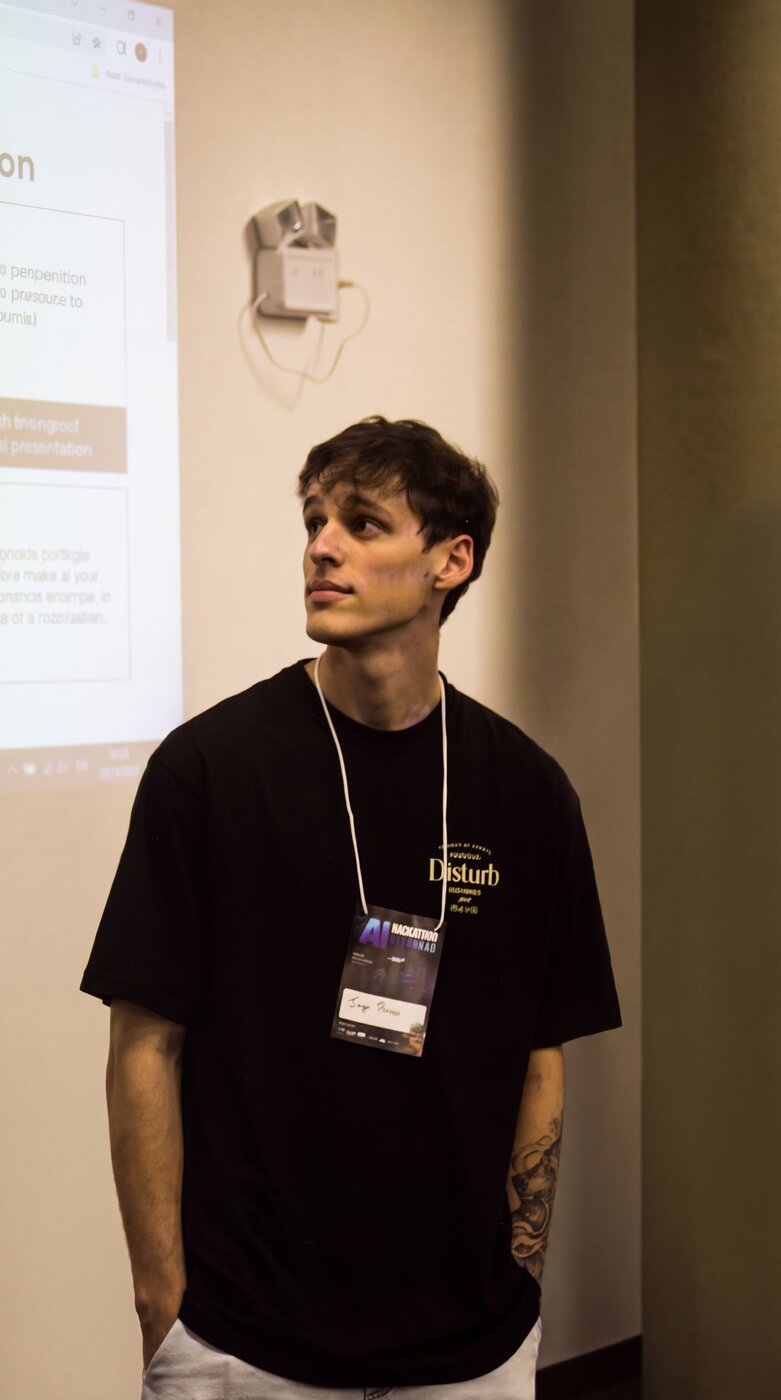
Iago de camiseta preta e crachá do AI Hackathon, olhando para o lado, em frente a uma projeção
← Home
Career

My journey so far

About my career, what I've been building, and what it took to get here.

Iago criança, de camiseta amarela, sorrindo de braços cruzados
Iago Russi FerlaAuthor
Sep 2026Published
28 minRead
Read ↓8 themes
Theme 1 · until 2021

Who I am

Childhood and my first computers

My childhood was kind of funny: a mix of playing a ton of soccer and loving sports, while also being hooked on computers. My dad had a computer at the factory where he worked, and that's where I first got my hands on one.

I remember using it to play games. At first it was Click Jogos, which was pretty famous back then, by the way. Over time I moved on to emulator games, mostly thanks to my sister, and that was really cool.

My whole childhood was a mix of those things: almost always into sports, but with a big soft spot for computers, and all of it came pretty easily to me.

Iago as a child, wearing sunglasses and a blue T-shirt, arms crossed
Me as a kid, with plenty of style.

This story is mostly about my professional life, so I don't want to bring the family into it too much, but I can't leave out my sister, Carolina Russi Ferla. A lot of this comes from her: my sister was the little nerd who watched anime all day and lived on the computer, and she influenced me a lot.

Iago and his sister as kids in the kitchen, she at the sink with a pot and he holding a dish towel
Me and Carol in the kitchen, doing the dishes.

In this photo you can see me drying the dishes. Basically, my mom made me dry and my sister wash, but I couldn't reach, so I had to line up a path of chairs to get the job done. And yes, I know it's funny (haha).

Professionally, my sister is the person who pushed me the most, directly and indirectly. She's a really unique person, very focused, extremely smart and willing to do whatever it takes to get what she wants. She's not the type to call you all the time, but, amazingly, she and I have a really good relationship.

Worth pointing out that she's been part of every stage of my career, from my first real job to everything that came after, and she has a special place in my heart.

My first brush with programming

I finished high school at CEDUP Hermann Hering, a technical school with a bunch of programs, where I picked IT. That's where I first ran into programming. And, well, I hated it. I couldn't understand a single thing, and today I know it was mostly the phase I was in: I was a teenager who didn't care about much.

Teenage Iago in a classroom, on his phone among classmates
First year of high school, at the peak of puberty and scoliosis.

I most likely missed the programming boom. In my first year, a little before the pandemic, dev jobs were hot: it was that phase where if you could build a calculator in Java, companies were lining up to hire you. I watched a bunch of classmates land jobs at big companies. I never really sat down to learn much, but I remember it stuck in my head. Then in my second and third years, the pandemic hit.

Three students in masks in front of a CEDUP Hermann Hering banner, presenting a project
My group presenting our final project at the end of high school, at CEDUP.

First job

Not counting the years my dad had me making labels at the factory, this was my first real job. I started as an intern at SAMAE (Blumenau's water and sewage utility) in my second year of high school, still during the pandemic, which only wound down in my third year.

I didn't know it back then, but I was using an ERP system, and I picked it up fast. I worked the radio, handled calls from the drivers and inspectors and issued their work orders. I learned a lot there, especially how to communicate better. In a little under a month I could handle things on my own and figure stuff out, even as an intern.

SAMAE Blumenau intern badge with Iago's photo
My intern badge at SAMAE.

Now what?

By the end of high school I had absolutely no idea what to do with my life. I knew I wanted to do something big, and that always drew me in.

I remember prepping for a university entrance exam: I studied for a few months and really gave it my all. I wanted to study medicine and believed that if I studied hard enough, I'd make it. In the end things didn't go as planned, and I think I ended up somewhere way cooler.

Theme 2 · 2021 — Feb 2025

The editing years

How I got in

That's when a new door opened up for me. My sister started dating Bryan, a content creator here in Blumenau who ran a growing true crime channel, Colecionador de Ossos (now Ossos Perdidos), and they needed an editor. My sister asked me and I said yes: I knew how much potential YouTube had and didn't want to miss that shot.

So off I went to learn editing. I'd never touched any editing software, at most I'd edited videos for school assignments, and learning it was really fun. In the beginning it was genuinely great: I worked half days in person at Bryan's place and quickly got the hang of it. Time went by and the channel kept growing. During that time I lived on my own in Blumenau for a while, and later moved in with my mom in Barra Velha.

Iago with headphones around his neck, leaning back in front of the computer he edited on
At the computer where I edited.

The actual work

As fun as it was at first, the work got tiring fast. I speak for every editor out there: we suffer a lot. Video editing is the boring part of making a video. So many parts repeat over and over, and it's usually a slow, repetitive process, at least most of it.

I slipped up a lot. I thought it was because I was irresponsible, and a big part of it was, but a lot of it was because I just didn't like it. That didn't make me want to stop learning: even though I didn't enjoy it, I really valued it. The problem was that I swung back and forth a lot. But in the end I learned things I still carry with me today.

What I learned

At first I did the whole video process in Premiere, no AI at all, so I learned a lot of things the hard way, especially logging footage and the creative side.

Bryan was a real perfectionist, and I think I owe him a lot. He was one of the people who showed me, professionally, what it looks like to do something with real care. His work was flawless; it's worth checking out his channel, Ossos Perdidos, the quality was amazing.

Toward the end of my time there, I started learning to do 3D compositions in After Effects, and that really grabbed me. I have videos of a few I made, and to me they were awesome. I've always loved animation; I think it was the part I enjoyed most.

A clip from an After Effects animation, all put together by hand.
Animated maps I made in After Effects. Open on YouTube ↗

AI shows up

When I started on the channel, GPT was still crawling. Soon after, I think in my second year, we were already using GPT, ElevenLabs and some of the AI tools in the Adobe suite in almost every part of the video-making process, and it was mind-blowing.

I watched it evolve up close: Photoshop's Generative Fill kept getting better right alongside GPT's image generation. We had a paid plan and it was really good. Today there's no comparison: try GPT-Image 2.5, Seedream 5.0 and so on, and you'll see where we are. But back then it was pretty much watching it all happen in front of me.

When things stopped moving

By the fourth year, unfortunately, things at the channel weren't going as expected, because of business issues and some personal stuff I'd rather not get into. I'd never really liked editing and I was procrastinating a lot, so I decided: I wanted to change careers, even without knowing yet to what.

Theme 3 · Late 2024 — Sep 2025

Switching careers

Looking for a way out

In the middle of all that I started trying a bunch of ways to switch fields. The first one was trying to start a YouTube channel and do some kind of content creation with a friend of mine, Thiago Jung Morais. We tried several things: first a soccer channel, and that whole process was honestly hilarious.

Then we tried starting a clothing brand. We'd done almost everything: the brand, videos for TikTok and Instagram, which are still up on Southside's Instagram. All of that was a lot of fun.

Thiago was already a programmer and, somewhere along the way, seeing that I was trying to switch fields, he suggested I become one too. He pushed me to apply to the Entra21 coding bootcamp and, luckily, applications were open. Thankfully I got in. That was at the end of 2024, and the course would start in March 2025. It was in Blumenau, so I moved in with my grandma, who has a house here, and my mom stayed in Barra Velha.

A bad call

I got into Entra21's Java class, and I was super excited. I think I'm the kind of person who lives intensely, people have told me that (haha). Could be that, or could just be that I don't think much when I'm excited.

What I do know is that, right at the start of the course, I quit my job. I really regret that, because what came next was pretty frustrating, but at least it gave me more time to study.

Entra21

Now came my first time with programming because I actually wanted it. I remember wanting to go all in: sure, there was the pressure of changing careers, but I really wanted to be good at it. I studied like crazy, always stayed about 4 topics ahead of the class and did every challenge.

I had a really great instructor, Henrique Delegrego, who kept giving me challenges and followed my progress closely. Being in his class was great, and I learned a ton from him. When you start studying programming, it feels like a universe full of things to learn where you just get lost. He kept me on track and, with confidence and effort, I got pretty far.

I knew absolutely nothing going in and came out with a pretty solid foundation. I got to use Spring Boot with Java and could already build a few projects comfortably. Back then I still had a slight prejudice against AI and believed I had to do everything by hand, which cost me hours of studying and exercises.

Themyra

It was at Entra21 that I met Tarliomar Silva and Gustavo Zarth Perotto, and we formed our group for the final project: Tarliomar, Gustavo, me, Joel and Jadison. We decided to build Themyra, a tool that checks whether a website is safe: it runs the site through a pipeline of web scraping scripts and an AI analysis using free models from OpenRouter. The video below shows exactly how it works.

I was already pretty far along on the backend. The problem is that, in a group of 5, guess what: nobody wanted to do the frontend. So I took it on. I was going to help with the backend, but I ended up building the project's entire frontend by hand.

And to everyone who works on frontend: congrats, it's really hard to learn. I say that because I learned it from scratch too, and it was unbelievably hard (haha).

I'm proud to say we built this project almost entirely by hand, with very little help from AI, and it gave us a lot of experience.

Themyra, our Entra21 final project. Open on YouTube ↗
Theme 4 · Sep — Dec 2025

The big letdown

No openings

And now comes what I think was the most frustrating stretch of my journey. Remember how I said I quit before finishing the course? I had some savings, but they didn't last the whole course: halfway through, I started working to get by. And I believed that, once the course was over, I'd find something in the field right away.

Not quite. After presenting the final project I couldn't land a single job. I did a bunch of interviews and nothing. I needed money to get by, and that's when I had to take whatever job was in front of me.

Me at the Entra21 graduation.

The phone credit kiosk

I worked at two pretty tough places, let's say. First at a phone credit kiosk, a sort of LAN house that sold a bit of everything, inside Cooper, a local supermarket chain. I think I made less than an intern, working six days on, one off. I did everything there, from covering school notebooks to selling cigarettes. It's where I worked the hardest in my life (haha), and where I learned to value things.

I started there halfway through Entra21 and stayed until the course ended, and it was rough: I studied in the morning, worked in the afternoon, and had a bit of the weekend left to rest. I remember always thinking I had to study to get out of there, and that's what I did. I kept studying hard and applying to jobs, but unfortunately I couldn't find anything.

The supermarket

After the kiosk I worked at Komprão supermarket in Barra Velha, because when the course ended I moved back in with my mom there. Another pretty tough job: I worked the till from 2 p.m. to 10 p.m. The upside was that I only worked weekends, but it was pretty boring too.

At those jobs I even had some fun and worked hard, but I was always thinking about how much I wanted to be programming. Even more so watching my friends working in it, and my sister, who by then was also working as a programmer. It felt like a different reality.

Online college

At the very end of the year I still couldn't get a job anywhere, so I tried changing strategy. Until then I'd always applied for developer roles. I decided to start an online degree, Systems Analysis and Development at Gran, because I couldn't afford an in-person one, and to go after internships. Today I'm studying Software Engineering, also at Gran and also online.

Believe it or not, it worked. I got a few interviews, and one of them was at Dati, here in Blumenau. I moved back in with my grandma.

Theme 5 · Jan — Mar 2026

A new perspective

The portfolio

Dati is an AWS (Amazon's cloud) partner consultancy and AI-first, meaning a company that uses a lot of AI and encourages everyone to use it. That's where I got my first real shot. First came the interview, and I remember going all in: after everything I'd been through, I couldn't let this one slip.

Before the interview, which was scheduled with the team leads, I looked up each of their profiles to see what they did. The only info I had was that they used Python and something called Bedrock (AWS's service for using AI models). Forgive me, but I'd never seen AWS in my life at that point. Still, it was enough for me to put together a portfolio with 3 projects in Python and AWS.

A week before the interview I sent the portfolio to all of them, and the response was really nice: they all liked the effort and complimented me.

The interview

Finally interview day came. I got ready and went, and it was another world. Dati is on the 5th floor of the AmbevTech building here in Blumenau, and needless to say, everything dazzled me.

The interview was actually pretty relaxed. They gave me some context about the company and talked about the certifications people had there, which caught my attention right away. Then they showed me around, and I couldn't wipe the smile off my face. Compared to where I'd come from, nothing came close.

That day I promised myself I wouldn't waste that opportunity and that, if I got it, I'd give it everything I had.

Day one

And it worked out. A day after the interview they'd already called me, and I joined as an intern on the Solutions team, made up of Labs, AI and Data. I was part of Labs, a team focused on building and testing new stuff while also running internal projects. My first day was great: I did onboarding with lots of people, and my mentor (the person who looks after an intern for the first few months) was one of the nicest people there, someone I consider a true friend, Juan Felipe Voltolini. We used to call him by his full name, because the guy was that good (haha).

Dati welcome kit opened, with the message "Welcome to Dati!" on the lid
The welcome kit from my first day.

The first days and weeks were great, I met a lot of people. One of the people who helped me most, and who's now also a friend I go out and talk with, was Josimar Zimermann. I was always calling him over, because I didn't know how to do anything back then.

Josimar is one of the most amazing people I've ever met. No matter the question, he'd help you. He was easily the most experienced dev in the company, and he didn't just help: he'd stop what he was doing, explain it to you and even draw it out if needed. He was a huge example for me.

There was one really funny moment. Somewhere around the five hundredth time I called him over, the conversation went like this:

— Josimar, you busy?

He takes off his headphones and pauses his music.

— No, no, just working!

Not sure it's that funny in writing, but I cracked up when he said it. Anyway, I really miss that time. I've got plenty more to tell about Dati, but I hold that beginning dear.

Chasing certifications

Dati used Kiro CLI a lot, the AWS tool that brings AI into the terminal: it is the harness, the program around the model that lets you talk to it and gives it access to your project to read and write code, and that's where I got a lot of hands-on time with AI. After learning a lot from Josimar and my coworkers, I could already get things done with some autonomy.

Dati had the certifications thing going, and the process was really cool. There are 12 AWS certifications across several levels; the first are the foundational ones, AI Practitioner and Cloud Practitioner. Nobody pressured you to get them, but you got recognition and a pay bump. Being who I am, it didn't take long for me to set a goal: get all of them (haha). Yes, I wanted all 12, having never seen AWS in my life.

I think it was one of the coolest things I ever decided to do. I started studying in my first month and, believe it or not, I got my first certification in 1 month, Cloud Practitioner, on Feb 21, 2026. Until then, only one intern had gotten a certification, and not in 1 month. The recognition felt great, it left me wanting more, and in the second month I got another one (haha): AI Practitioner, on Mar 8, 2026, which gave me the foundations of how AI and LLMs work under the hood.

Studying for them was a lot of fun. My shift ended at 3 p.m., so I'd stay until 6 p.m. and invite everyone on Slack to study together. Well, nobody came (haha), but that was fine, because it forced me to study consistently and properly. That's how I became the first intern to get a certification in 1 month, and the first to get two.

The interns

I was the first intern in the batch Dati was hiring that year. More kept coming, mostly to my team, and when they joined I thought they were all weird (haha). But we quickly became close friends, and today they're my best friends. Leonardo Prado Suzin, Matheus de Paula Ribeiro and I had a really great journey and learned a lot, and I mean a lot, together.

Selfie of Iago with the other interns at the Dati office
Me and the Dati interns.

Worth mentioning that, somewhere in there, I became a Linux convert. I learned it out of curiosity and, my God, it was so good: it gave the PC a huge performance boost and everything was faster. I bring this up because, once the interns joined, I made every single one of them install it (haha).

After that we did a lot of projects together. From 3 to 6 p.m., when I used to be on my own, I now had company to study with: usually it was me, Matheus, Yasmin and Léo. We studied together and had fun. It was a really great time, and I miss all of it a lot.

Theme 6 · Mar — Jul 2026

Building at Labs

The Multi-Agents Framework

Besides the certifications, at Dati I did a lot of projects on my own: they gave us a lot of freedom to build things and use our AWS POC account. I made a point of building a lot, and one of those things was the Multi-Agents Framework, around my third month.

The idea was simple. We used Kiro CLI a lot, and on Linux I ran Arch Linux with Hyprland, a window manager. If you know it, you know it's easy to open like 10 terminals on screen and use all 10 comfortably, and I did that all the time: I'd have about 4 terminals running different tasks with Kiro CLI, squeezing out every bit of efficiency. Then it hit me: what if all these agents I had running could talk to each other?

That's where the Multi-Agent idea came from: lots of agents (AIs that take a task and carry it out on their own, reading and writing code), each one assigned to an area (frontend, backend, review, monitoring, etc.), talking to each other and working on their own. Exactly the subagents concept we have today, but back then none of that existed yet. It was still crawling; sure, people were already talking about it, but Anthropic (the company that makes Claude) and the big players hadn't shipped it yet.

It was a huge project, and I remember presenting it at Dati in an STT, the Solutions Tech Talk: every Thursday someone on the team gave a talk about something. I made my mentor proud (haha): Juan really liked this project and encouraged me to present it. It was a great experience.

It was through this project that I met Dyego Maas. Maas worked at Dati as a contractor, building automations, and already had his own consultancy, where he helped teams speed up their development with AI. He gave me a bunch of tips for the Multi-Agents Framework, including the waves architecture: the agents work in waves so they can run in parallel, something like wave 1 with frontend, frontend and backend, and wave 2 with backend, backend and backend.

He also showed me some projects he had on his PC, and, man, they were out of this world. Nothing I could pull off with my Kiro running Opus 4.6 back then (haha).

Besides that one, I built a bunch of other projects. Unfortunately they stayed in my old company repository, which I don't have access to anymore. And yes, the genius here didn't grab his stuff when he left the company.

The hackathon

In the middle of this wave of projects and certifications came an AI-focused hackathon, the AI Hackathon. My group was, left to right in the photo: me, Yasmin, Léo, Camilla Maia, Matheus and our advisor. I go into more detail in this post, where I explain everything. It was an incredible experience: a bit frustrating, but it definitely gave me a new perspective.

Group selfie with open laptops on a table, during the hackathon
My group at the hackathon.
LinkMy LinkedIn post about the hackathon ↗

Palladino and the skills

Here comes a really important character in this story: Marcelo Palladino. To this day I never get tired of saying he's the best professional I've ever met, and his profile speaks for itself. He joined Dati on the Labs team, which is where I was back then, and he was a huge hire: everyone in the AWS world knows "Palla", as I called him.

By now you've probably noticed I'm pretty intense. When Palla arrived, I made sure to go talk to him and, since I've always been a bit overexcited, our first conversation went something like this:

— Hey, Palla, I need your help, man. I wanted to try to use my agents better, because the results sometimes don't come out the way I want… blah blah blah.

He stands up, takes a breath, looks at me:

— Good morning.

HAHAHAHA, man, that was hilarious. Me rambling on, kind of nervous, didn't even say hi properly. And that was just Palla's way: calm, serene, always attentive. The kind of person you know is actually listening, and you can tell he's thinking through every detail of what you say.

After that conversation, which was basically about how to use AI better, we went to one of the office whiteboards and he literally drew out some context engineering concepts for me (how to choose what the AI needs to know to do a task well) that had never even crossed my mind. Then he introduced me to Matt Pocock's skills, a well-known dev who publishes ready-made instructions for AI. That's what a skill is: a set of instructions that teaches the AI to work a certain way. These skills are really relevant today, and Matt has made a name for himself in this AI era; back then he had just posted the first batch, including /grill-me, where the AI hammers you with questions until your plan is clear.

Of course after that I went and researched, understood and used all of it, and I was quickly impressed: Matt's skills really are that good. They help a lot with using AI efficiently and make any workflow better. I got so excited I wanted to present it: I grabbed another STT slot to talk about /grill-me, spent weeks building the presentation, practiced a lot and got ready.

Getting hired full-time

In the meantime, I got hired full-time. A really nice recognition of everything I'd been doing, and I was very grateful.

Gift basket with a blue and gold ribbon, received when he was hired full-time
The gift I got when I was hired full-time.
LinkMy LinkedIn post about getting hired full-time ↗

Now I worked longer hours. As an intern I stayed from 3 to 6 p.m. studying, and I wanted to keep studying after being hired: I didn't like the idea that I only studied because I had more free time than everyone else. So I'd stay from 6 to 7 p.m. studying, sometimes until 10 p.m.

Presenting

I first presented /grill-me internally, remotely, so to speak: I presented from my laptop and people joined on a video call. It was great, I got really positive feedback and felt confident enough to start putting this stuff out there. I realized I liked talking, sharing the things I care about, seeing people's reactions and bringing them insights.

That's how I got the big opportunity to present the same thing to the folks at Tex Cotton, a company Dati was working with at the time. But this presentation was different: in person, for more than 50 people. There was no way I wasn't going to prepare.

Talk at Dati with the slide "I blamed AI for a long time", with Iago standing on the right
The presentation for the Tex Cotton folks: "I blamed AI for a long time".

And I prepared a lot. I hired a public speaking coach and practiced for weeks to learn how to carry myself, gesture and speak well. I also had help from a really important person, Camila Cenci, Dati's new business director. Camila hosts a lot of events and has, by far, a ton of experience and skill at it. I pulled her into a room, gave her the presentation so she could give me some pointers and, at the end, she said:

— The presentation is really good. Try to get comfortable up there, ask questions, interact with the audience and, last of all… fix that hair!

HAHAHAHA, I laughed so hard at that. Another fun story. And I absolutely nailed the presentation: I was super nervous, but I'd practiced a lot and did everything Camila said. At some point I got really comfortable, asked the audience a few questions and it flowed really well. Afterward we had a chat with the Tex Cotton devs, and overall it was all a lot of fun.

LinkMy LinkedIn post about the presentation ↗

The Lovable Pipeline

Here comes one of the biggest projects I did for Dati: the Lovable Pipeline. Basically, a project that takes a repository that came out of Lovable (a platform that generates apps from text, using AI) and turns it into a repository fully hosted on AWS.

It was a really cool project, but it came at a hard time for me. There were a million things going on in my head, I had just been hired full-time onto the AI team, and the project belonged to the Labs team. For the first few weeks, I was pretty lost.

The person running it with me was still Palla. I got called out a few times, but, like I said, in the hands of the best professional I've ever met that wasn't a big deal. He calmed me down, told me not to be afraid and to keep working, doing it the right way this time. I managed to get the project back on track.

In the end, we delivered, and the project turned out really well. What stayed with me was the learning. It was a huge turning point in my life: I kept thinking about how much better I could have done it with more knowledge, more time, if I had put in more effort.

Theme 7 · Jul — Aug 2026

Time to take a risk

TDC Floripa

Along with the pipeline project, after I was hired full-time, Dati sent me to TDC Floripa, The Developer’s Conference, one of the biggest developer events in Brazil. It was my first tech event. I posted a lot about it, and I tell the whole story in this post.

Iago with three other people in front of the colorful TDC Floripa backdrop
At TDC Floripa.
LinkMy LinkedIn post about TDC Floripa ↗

Crossing paths again

That's where I ran into Dyego Maas again.

He'd stopped working for Dati to focus on his consultancy, which had grown a lot and needed someone to help on several fronts. That's how a partnership came about: we agreed I'd work for him as a freelancer, which would be great for learning, and I was super excited.

Maas's idea and project were brilliant, and he's one of the most brilliant people using AI I've ever met.

Two jobs at once

This was probably the period when I almost burned out, but I also did some incredible things. I hadn't really started anything with Maas yet and was still at Dati, but, to prove my worth to Maas, I decided that after work I'd build things and show them to him.

I built some amazing stuff. One of them was getting an image generation model to nail Valorant's art style exactly. I also managed to make animations with HyperFrames, and the results came out really good.

The image model getting to Valorant's art style, step by step (2 min, with sound).
One of the animations I made with HyperFrames (17 s, with sound).

Well, it cost me some of my mental health and my performance. I think it comes with the kind of person I am, and I need to start taking care of that.

The decision

In the end, things didn't go the way I expected, and I panicked: basically everything fell apart. I couldn't do two jobs at once, and not everything in our arrangement was going to work out, for outside reasons.

That's when, once again, I have to thank the people who were by my side. Josimar helped me a lot at this stage and did everything he could to sort out those outside problems. Along with him, Juan was really important: he managed to calm me down and remind me that things aren't that complicated. If it weren't for them, I wouldn't have calmed down and thought it through.

At this point I was genuinely desperate and wanted to do both jobs at once, no matter what. In the middle of that whirlwind of a million things going on in my head, I turned to one more person, and they told me something I don't think I'll ever forget:

— What do you want?

I know it's simple, but given the context it was said in, the state I was in and the person who said it (it's not that hard to guess it was Palla), for the first time I stopped to think about what I wanted for my life and took off some of the pressure I was feeling right then.

Pretty quickly I made up my mind. I couldn't keep two jobs and I really wanted to try something new: Maas's idea was brilliant, and I was learning and building a lot. It was a hard decision; I'd honestly pictured the rest of my life at Dati. On Aug 13, 2026 I resigned and started working with Maas as an independent contractor. Dati was really cool about my choice, and it all went smoothly. But I think at certain points in life you have to take a risk, and I think I still have plenty of time to keep taking them.

Today. Tomorrow.

And that's how I started working with Maas, and that's where I am today: posting my articles, building my personal site and starting to create content. The first project I did with Maas was My-Little-Studio, and I tell the whole story in that other article.

I know that was a lot of text and it seems like a lot, but, man, all of this happening in one year is still incredibly hard to wrap my head around. I'm really happy right now and I feel fulfilled by everything I've done. Of course I still think there's a long way to go, but looking at the me from a year ago, working a supermarket till, I'd never have imagined any of this.

With all that said, I saved the best for last: sharing something motivational and explaining my purpose, which makes sense once you've read all of this.

Theme 8 · today

Purpose

Remember the Lovable Pipeline, when I kept wondering what I could do if I'd studied more? The answer is in everything that came after.

After this journey and so many emotions, the greatest privilege of all has been learning. Believe me: learning is hard to explain. The feeling of pushing past yourself, learning something new and being able to build something with it is something you only truly understand by living it. I had plenty of chances to see that happen along the way, and I learned a lot, across many areas.

Once you understand that, and it takes people a while, your perspective changes completely. You start seeing the world around you differently and noticing how complex the way things work really is. At some point on this journey, I realized how much knowledge matters. Everything you learn counts, whether it’s math, biology, chemistry, philosophy or physics: with the tools we have today, you can take on anything, and when what you know in one field carries over to another, what we can achieve becomes unimaginable.

It’s a new era, and we’re probably witnessing the greatest tool humanity has ever created. Maybe we can be the people who shape the future of this new generation. But make no mistake: that means broadening your horizons, with hard work and dedication. For a long time, I studied on autopilot: I went to class and did the assignments, but without any real will to learn, just to get it done. Today that’s what I think about most, and it’s what drives me: how far I can go if I specialize and get really good at a field, whatever it is, together with a tool like this.

And my purpose became something different. I know that today everything comes down to money, and I’d be a hypocrite to say I don’t think about it. But at the end of the day, my goal in life, with the power these tools have now, isn’t just to create something amazing: it’s to be able to affect our reality, with something relevant that shapes the world around us for the better. I think I fell in love with innovation, and I hope to get close to that in the coming years.

Maybe I’m being too much of a dreamer, and all of this is just the delusion of an excited young guy (and I really am pretty excited). Maybe… But a year ago, if someone had told me where I’d end up, that would have sounded like a delusion to me too. And yet, here we are. Thank you.

Iago in a black T-shirt and an AI Hackathon badge, looking to the side, in front of a projection